
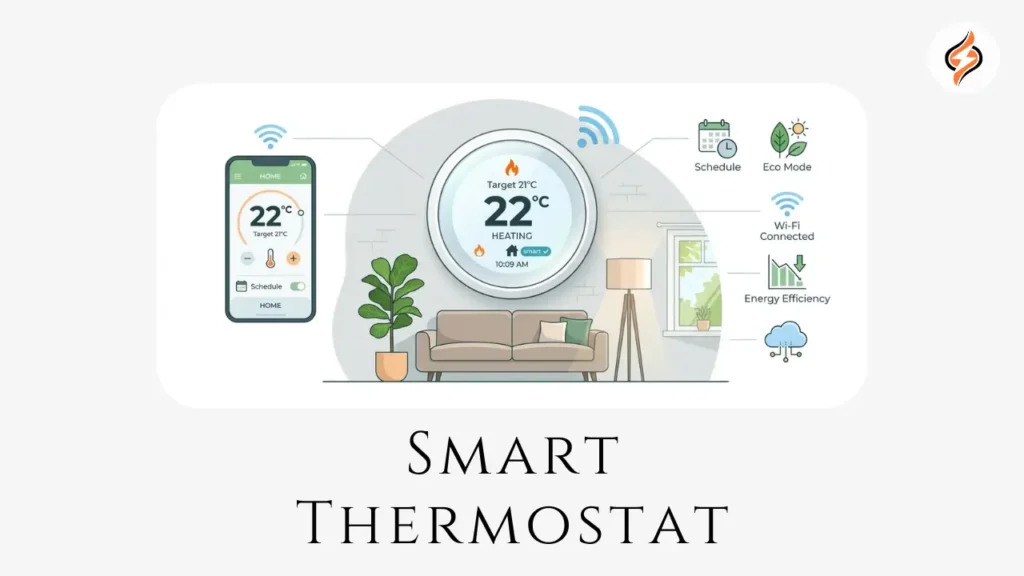
Your AC isn’t inefficient.
You’re just not controlling it properly.
If your system runs all day at the same temperature, you’re paying for cooling you don’t actually need. Not because you chose to—but because nothing is adjusting it in real time.
Most people don’t notice this daily. They notice it when the electricity bill shows up and feels… off.
An energy efficient thermostat fixes that. Not by making you manage settings constantly, but by quietly correcting when and how your system runs.
And honestly, this is one of the few home upgrades where the impact shows up almost immediately.
This article contains affiliate links. If you purchase through them, Sustainoverse may earn a small commission at no additional cost to you.
Why Your Energy Bill Is Higher Than It Should Be
It’s usually not the AC unit.
It’s how it’s being used.
A normal day looks like this:
- You leave home at 8 AM
- The AC keeps running like you’re still there
- It stays on for hours
- No one benefits from it
That’s wasted energy.
Or this:
- You set one temperature and forget it
- The system keeps pushing to maintain it all day
- Even when it doesn’t need to
Here’s something most people don’t realize:
Lowering the thermostat doesn’t cool your home faster. Your AC runs at the same speed—you’re just forcing it to run longer.
That one habit alone increases your bill more than most people expect.
Small inefficiencies like these don’t feel serious in the moment. But over a month, they build into something very real.
How an Energy Efficient Thermostat Actually Reduces Usage
Forget the buzzwords. The value comes down to control.
It Stops Cooling Empty Spaces
If you leave for work and your AC keeps running at full power until noon, you’re paying for hours of cooling no one is using.
A smart WiFi thermostat fixes that automatically.
It Adjusts Based on Real Life (Not Guesswork)
A basic programmable thermostat follows a schedule.
A smart one adapts:
- Adjusts when you leave
- Prepares before you return
- Optimizes without constant input
This is how you actually reduce HVAC energy consumption—by aligning it with real behavior.
You may also read: Bluetti vs Jackery: A Comprehensive Global Comparison of Portable Power Stations
It Prevents Overcooling
This is the silent energy killer.
Even a small drop in temperature can significantly increase usage. The U.S. Department of Energy recommends adjusting temperatures when you’re away to reduce unnecessary cooling.
Most people don’t do this consistently.
A good thermostat does.
What does that mean financially?
Most users reduce energy usage by 10–20%.
If your cooling costs:
- $150/month → you save $15–$30
- $200/month → you save $20–$40
That’s not life-changing overnight—but over a year, it adds up more than people expect.
You May Also Read: Eco-Friendly Technologies for Sustainable Living
Before You Buy (Where Most People Get It Wrong)
This is where bad decisions happen—not in choosing the brand, but in ignoring compatibility.
Do You Have a C-Wire?
A C-wire powers many smart thermostats.
- Newer homes → usually yes
- Older homes → often no
If you don’t check this first, installation becomes a problem.
Some models work without it. That’s not a minor detail—it’s often the deciding factor.
Will It Work With Your HVAC System?
Not all systems behave the same.
You need to know:
- Central AC or heat pump
- Number of stages
- Wiring setup
It takes a few minutes to check—and saves you from returns later.
Installation Reality
Most installations take about 30–60 minutes.
And honestly, if you’ve ever installed something basic at home, this won’t feel complicated.
If not, a technician can handle it quickly. Either way, it’s a one-time effort.
Best Energy Efficient Thermostats (Top 5 Picks)
Each of these solves a specific type of problem. Don’t treat them as equal.
1. Emerson Sensi Smart Thermostat — Best Overall
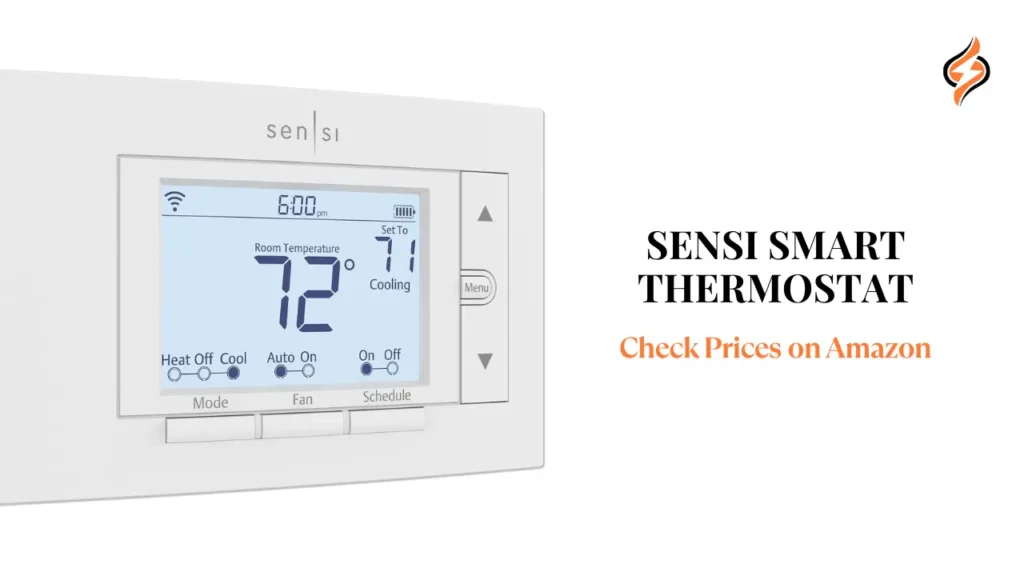
If you don’t want to deal with compatibility issues or complicated setup, this is the safest choice you can make.
It doesn’t try to impress with features—it focuses on doing the core job well.
Why it works:
- Works without a C-wire in many homes
- One of the simplest apps available
- Strong compatibility across systems
- ENERGY STAR certified
Real advantage:
The setup process is noticeably easier than most competitors.
Bottom line:
If you want something reliable that starts saving energy immediately, this is the one to pick.
2. Google Nest Thermostat — Best for Automation
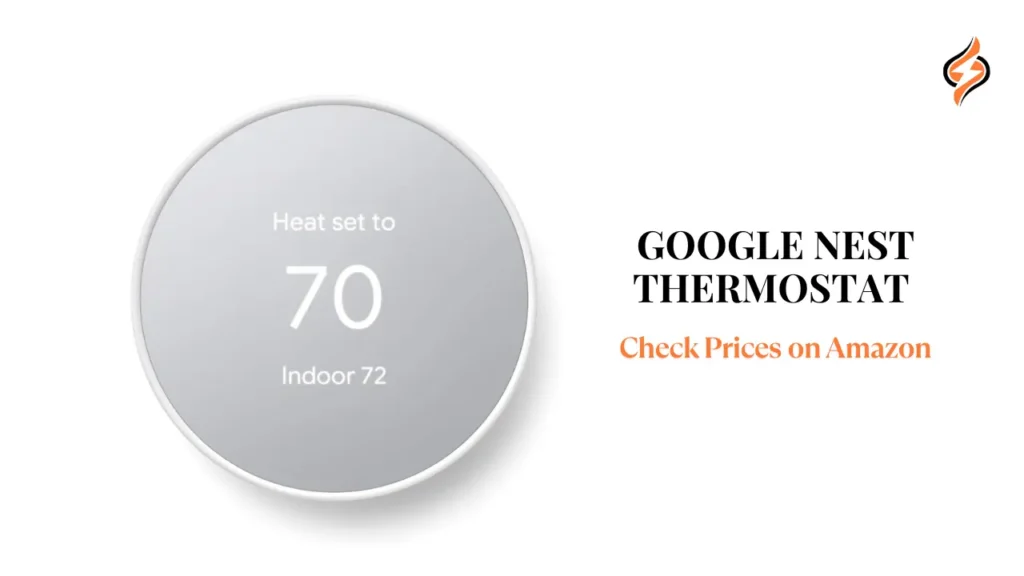
This is built for people who don’t want to adjust settings at all.
Nest learns your routine and builds a schedule automatically. Over time, it reduces unnecessary runtime without you touching anything.
What stands out:
- Learns behavior patterns
- Adjusts automatically
- Provides energy insights
Where people hesitate:
- Usually needs a C-wire
- Takes time to optimize properly
Bottom line:
If you want a system that manages itself, this is the most hands-off option.
3. Honeywell Home T6 Pro — Best for Compatibility
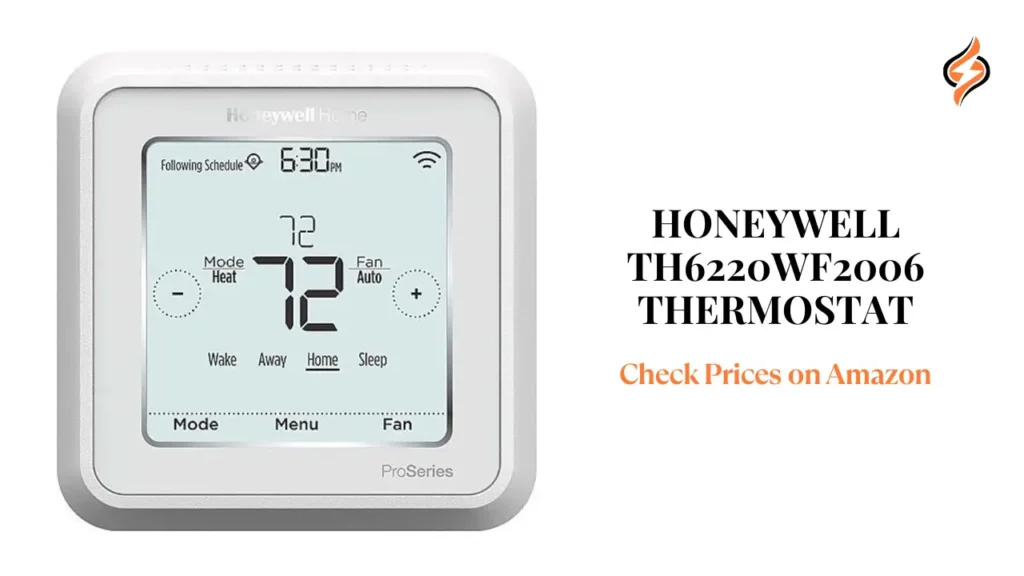
If your home has an older or more complex HVAC system, don’t experiment—use something proven.
Honeywell has a long track record in HVAC, and this model reflects that.
Why it’s trusted:
- Works with a wide range of systems
- Stable and predictable
- Often recommended by technicians
What you give up:
- Advanced automation
- Modern design feel
Bottom line:
If compatibility is your concern, this is the safe move.
4. Sensi Lite Smart Thermostat — Best Budget Smart Option
This is where most people should start if budget matters.
Cheap thermostats don’t save energy. Smart ones do. This is the lowest price point where that actually happens.
Why it works:
- Affordable
- ENERGY STAR certified
- Straightforward setup
What it lacks:
- Advanced automation
- Premium features
Bottom line:
If you want real savings without overspending, this is your entry point.
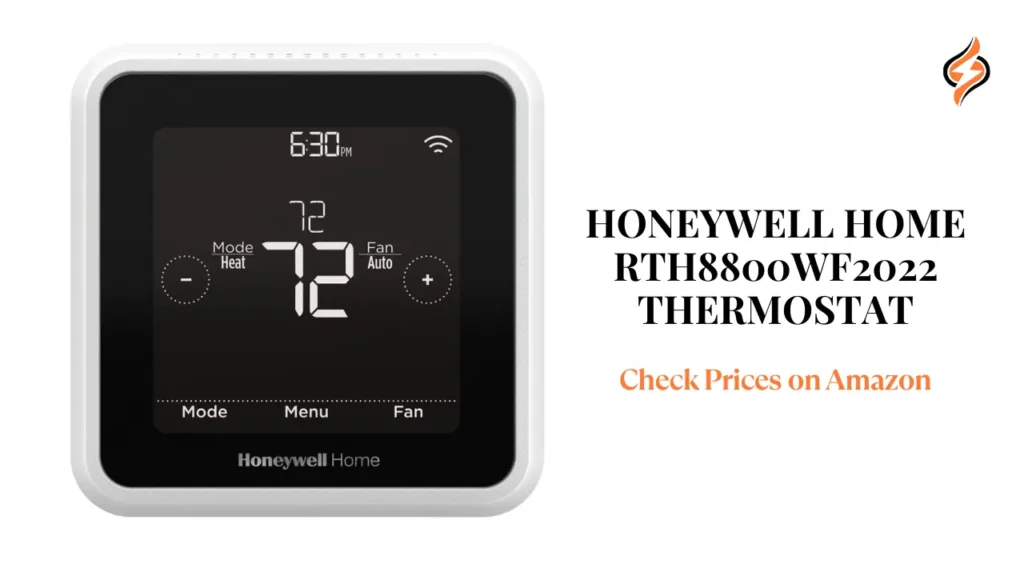
5. Honeywell RTH8800WF — Best Balanced Option
This sits between a programmable thermostat and a fully smart system.
You get structure, control, and connectivity—without full automation.
Why people choose it:
- 7-day scheduling
- Touchscreen interface
- Good feature balance
What to expect:
- Requires manual setup
- Slight learning curve
Bottom line:
If you want control without going fully automated, this is a strong middle ground.
Quick Comparison of the 5 Energy Efficient Thermostats
| Thermostat | Best For | Ideal User | C-Wire | Key Strength |
| Sensi | Most homes | Wants simplicity and reliability | Not always | Easy + dependable |
| Nest | Automation | Doesn’t want to manage settings | Usually | Learns behavior |
| T6 Pro | Compatibility | Has older or complex system | Yes | Works almost everywhere |
| Sensi Lite | Budget | Wants savings at lowest cost | Not always | Affordable smart option |
| RTH8800WF | Balance | Wants control without complexity | Yes | Features + control |
Which One Should You Choose
If you’re still comparing, you’re overcomplicating it.
- Want something simple that works → Sensi
- Want full automation → Nest
- Unsure about compatibility → T6 Pro
- Tight budget → Sensi Lite
- Want control + features → RTH8800WF
Pick based on your situation—and move on.
Common Thermostat Mistakes That Waste Energy
Most savings are lost here.
- Setting very low temperatures to cool faster
- Turning the system completely off for short absences
- Ignoring filter maintenance
- Installing without checking compatibility
These small mistakes quietly increase your bill.
Are Energy Efficient Thermostats Worth It?
Yes—if you actually install and use them properly.
- Cost: $100–$250
- Monthly savings: $15–$40
That means the system typically pays for itself in 6–12 months.
After that, it’s just ongoing savings.
Final Take on Energy Efficient Thermostats
A thermostat won’t magically cut your bill in half.
But it will remove the daily inefficiencies that quietly cost you money every month.
Install the right one once—and you’ll notice the difference where it matters most.
On your next bill.
You May Also Read: The Ultimate Guide to Truck Bed Tents: Camp Anywhere