
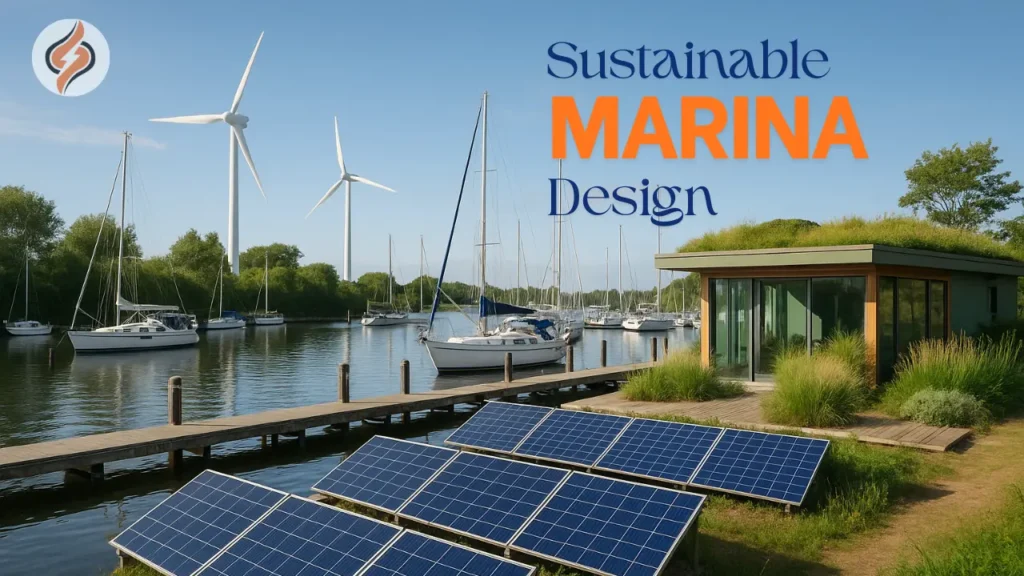
Sustainable marina design refers to planning, constructing, and operating marinas in a way that minimizes environmental impact while providing excellent services to boaters.
This topic is increasingly important to marina developers, operators, coastal planners, and environmentally conscious boaters alike.
Marinas are vital hubs for recreation, tourism, and trade, but they have historically drawn criticism for practices like extensive dredging, large concrete breakwaters, sewage discharge, and heavy use of plastics.
As recreational boating grows in popularity, marina stakeholders are seeking ways to protect marine ecosystems without sacrificing functionality.
In essence, sustainable marina design means adopting “good design” that enhances value, reduces risk, and reduces cost – aligning economic, environmental, and social goals.
This article explores the key principles, practices, and benefits of sustainable marina design.
Why Sustainable Marina Design Matters
Marinas interface directly with fragile coastal and marine environments. Poorly planned marinas can damage wetlands, disrupt aquatic habitats, and pollute water, threatening biodiversity and long-term viability of the site.
Sustainable design is crucial for the blue economy, ensuring that boating and marine industries can prosper without degrading the very natural resources they depend on.
Moreover, today’s boaters and local communities are increasingly eco-aware. They prefer marinas that are clean, green, and responsibly managed.
A sustainable marina not only protects the environment but also delivers better user experience. (Clean water, healthy wildlife, scenic surroundings) and often gain a competitive edge in the market.
In short, sustainability in marina design matters for preserving nature, meeting regulatory expectations, and satisfying the values of modern customers.
You May Also Read: Eco-Friendly Technologies for Sustainable Living
Benefits of Sustainable Marina Design
Key benefits of sustainable marina initiatives include:
- Environmental Protection:
Reduced pollution, healthier marine life, and conservation of coastal habitats. For example, eco-certified marinas minimize waste, prevent fuel and sewage spills, and maintain high water quality. This safeguards ecosystems and nearby beaches for future generations.
- Economic & Operational Advantages:
Many green design strategies also save money over time. Efficient layouts and durable materials lower maintenance costs, while renewable energy cuts utility bills.
Marinas that invest in sustainability can attract more visitors and even command premium rates by offering a cleaner, safer environment (often documented by awards or certifications).
- Community and Social Benefits:
Sustainable marinas often integrate with and support local communities. They create jobs, respect local culture, and open waterfront access for public enjoyment, turning marinas into valued community assets.
Education and outreach programs at marinas can raise environmental awareness among boaters and residents, multiplying the positive impact.
You May Also Read: Best Complete RV Solar System with Batteries
Eco-Friendly Design Principles for Marinas
Designing a marina with sustainability in mind starts from the earliest planning stages.
Here are some core principles and best practices:
a. Smart Site Selection & Layout:
The most sustainable marina is one built in a naturally suitable location that needs minimal heavy construction.
Planners aim to avoid sites that require massive dredging or large breakwaters.
For instance, placing a marina in a sheltered cove or creating an interior basin can reduce wave action naturally, avoiding the need to mine and transport huge amounts of rock for breakwaters.
If a breakwater is necessary, innovative options like floating breakwaters (which allow water flow and fish migration) can mitigate environmental disruption.
The dock orientation is also optimized – aligning docks perpendicular to prevailing waves can lessen wave stress and reduce the size of protective structures required.
Ultimately, efficient layouts use the least material for maximum benefit, preserving natural features and reducing construction impacts.
b. Use of Sustainable Materials:
Material choice greatly influences a marina’s environmental footprint and longevity.
Traditional treated wood docks, for example, might only last 10–15 years and can leach chemicals, requiring frequent replacement.
Sustainable marinas favor materials with low environmental impact and high durability, reducing life-cycle costs.
Options include certified tropical hardwood alternatives (e.g. Kebony wood, a modified pine that lasts 30+ years without harmful chemicals), recycled plastic lumber for decking (resistant to rot and repurposes waste), and composite or bamboo materials that are renewable.
High-quality concrete pontoons with long lifespans are used for floating docks/breakwaters, often incorporating recycled content.
By extending infrastructure life and using recyclable or non-toxic materials, marinas decrease resource consumption and prevent pollution over time.
c. Energy Efficiency and Renewable Power:
Cutting down fossil fuel use is a cornerstone of sustainable marina design.
Solar panels are increasingly installed on marina building roofs, dock shelters, or even as floating arrays on the water.
They can generate power for lighting, security systems, and even electric boat charging stations.
Many marinas are taking advantage of abundant sun in coastal regions. For instance, a major marina operator in the Mediterranean installed solar plants covering 71% of energy consumption at five marinas.
Small wind turbines (especially vertical-axis types) can complement solar in windy locales.
Energy-efficient equipment is also standard: LED lighting with smart controls (motion sensors, timers) reduces electricity usage and avoids light pollution (supporting “Dark Sky” guidelines to protect wildlife).
Some advanced marinas even explore hybrid energy systems (solar plus backup generators) for reliability or implement geothermal heating/cooling for buildings.
By switching to renewable energy and efficient systems, marinas lower their carbon footprint and operating costs while ensuring reliable services.
You May Also Read: Top 10 Sustainable Hotel Innovations: Eco-Friendly Travel Trends
d. Water Conservation and Quality Management:
Sustainable marina design treats water as a precious resource. This involves both reducing consumption and preventing pollution.
Many marinas now use water-saving fixtures (low-flow faucets, showers, etc.) and even reuse water on site – e.g. collecting rainwater or using reverse osmosis to make seawater usable, as one Italian marina did to cut its water and power costs nearly in half.
On the pollution side, keeping marina waters clean is paramount. All modern sustainable marinas provide pump-out stations for boat sewage (blackwater), often free of charge to encourage use.
Advanced facilities include on-site wastewater treatment plants or filtration systems so that sewage and greywater (from sinks/showers) can be treated and safely returned to the environment.
Controlling runoff is also key – incorporating Low Impact Development (LID) features like permeable pavements, vegetated swales, or oil-water separators in parking and service areas helps filter stormwater and minimize pollutants reaching the marina basin.
In boat maintenance zones (launch ramps or wash-down areas), sustainable designs include containment and filtration so that toxic wash water and antifouling paint scrapings are captured instead of flowing into the sea.
By prioritizing water quality, marinas protect marine life and keep the water clear for swimming, diving, and aquatic recreation.
You May Also Read: Every Prompt Has a Price: The Hidden Environmental Cost of Generative AI
e. Designing with Nature and Habitat Protection:
A truly sustainable marina is designed in harmony with its natural surroundings.
This can mean avoiding sensitive habitats or actively enhancing them.
For example, builders try to preserve existing seagrass beds, mangroves, or coral patches near the site, since these ecosystems stabilize shores and support marine life.
Where some habitat loss is unavoidable, marinas may mitigate by creating new habitats: integrating artificial reefs, fish hotels, or oyster enclosures onto dock structures to encourage marine biodiversity.
“Designing with nature” also involves using living shorelines or softer edges (like planted berms, oyster reefs, or marsh vegetation) instead of all concrete seawalls.
So that erosion is controlled while habitat is created for birds and aquatic species.
Even landscaping within the marina counts – green spaces such as dunes, gardens, or vegetated buffers can filter runoff and provide aesthetic value.
As a result, sustainable marinas often become safe havens for fish, shellfish, and birds rather than ecological dead zones.
For instance, some marinas adopt a “no fishing” rule within the marina basin to protect fish populations and give visitors the pleasure of observing thriving marine life.
By blending built infrastructure with natural elements, a marina can enhance its environmental resilience and beauty.
You May Also Read: Melting Mountains, Rising Waters: GLOF Flash Flooding in Gilgit-Baltistan
f. Climate Resilience:
With climate change, marinas must be built to withstand stronger storms and rising sea levels.
Sustainability in design includes making structures more resilient. Using extra-robust pilings, higher freeboard docks, breakwaters engineered for 100-year storms, and floating structures that can adjust to water level changes.
A case in point is an Alabama marina that rebuilt after a hurricane with oversized pilings, improved drainage, and fortified fuel tanks to “future-proof” the facility.
Floating docks and buildings are increasingly popular for resilience, as they can ride out fluctuations and even be relocated if needed.
By exceeding basic code requirements for wind, wave, and flood loads, sustainable marinas ensure safety and continuous operation in the face of extreme weather.
This not only protects the environment from disaster impacts (like fuel spills in storms) but also protects the marina’s financial investment long-term.
You May Also Read: Economic Impact of Sustainable Agriculture
Sustainable Marina Operations and Technology
Building a green marina is only half the story – how it is operated day-to-day is equally important.
Many people searching for “sustainable marina design” also want to know about eco-friendly marina management practices.
You May Also Read: Sustainability and Transformation Plans: Beyond Greenwashing
Below are key aspects of sustainable operations and technological innovations:
1. Waste Reduction & Recycling:
A hallmark of any green marina is a robust waste management program.
Recycling should be standard practice, made convenient for boaters and staff.
Marinas install clearly marked recycling bins throughout the docks and shore facilities and may even provide services to collect used oil, batteries, and old boat parts for proper disposal.
Leading marinas ban or strictly limit single-use plastics – for example, avoiding plastic bags or bottles in marina shops and events.
Some marinas go further by implementing “zero waste” initiatives, encouraging patrons to minimize disposable products and offering alternatives (such as biodegradable cleaning supplies or refill stations).
By making recycling and waste reduction the norm, marinas prevent litter and debris from ending up in the water and foster a culture of environmental responsibility among boaters.
2. Pollution Prevention:
Day-to-day operations must prevent contaminants from entering the marina waters.
Sustainable marinas provide bilge pads and oil spill response kits on docks to quickly contain any fuel or oil leaks from boats.
They often require the use of eco-friendly boat cleaning products that do not contain toxic chemicals, to protect water quality.
In maintenance areas, staff are trained to capture paint dust and hazardous solvents.
Many marinas have adopted “clean marina” guidelines – voluntary certification programs (in various countries) that set best practices for handling fuels, sewage, trash, and other potential pollutants.
Achieving a certification like Clean Marina, Blue Flag, or Gold Anchor signals to visitors that the facility meets high environmental standards for waste management, safety, and water quality.
In fact, some marinas even include clauses in their slip rental agreements asking boaters to follow an environmental code of conduct, ensuring everyone does their part to keep the marina clean.
Through vigilant management, sustainable marinas drastically reduce the risk of accidents or negligence causing pollution.
3. Renewable Energy & Resource Monitoring:
Operating sustainably means continually optimizing energy and water use.
As mentioned earlier, many marinas generate solar or wind power on-site, but equally important is energy monitoring and management.
“Smart marina” systems allow operators and even boaters to track electricity and water usage in real time via apps or digital displays.
For instance, smart metered pedestals can show a boat owner how much power they’re drawing; some marinas charge users based on exact consumption, which incentivizes conservation (individual metering has been shown to cut energy use by over 30% when boaters are accountable).
Motion-activated lighting, intelligent HVAC controls in buildings, and automated irrigation for landscaping all help avoid waste.
On the water side, sensor technology monitors water quality (checking for signs of fuel, abnormal pH, etc.) so that staff can respond quickly to any issues.
By digitizing operations – from online billing (paperless offices) to apps for scheduling pump-outs – marinas improve efficiency and reduce their environmental footprint (less paper, less unnecessary fuel use for service runs).
Embracing technology not only cuts waste but also appeals to tech-savvy customers who appreciate convenient, transparent services.
4. Boater Education and Community Engagement:
A sustainable marina fosters an eco-conscious community. Staff and patrons need to understand why certain rules exist (like no discharge or no fishing zones) and how they can help.
Many marinas run education programs. For example, hosting workshops on green boating tips, distributing guidelines on invasive species prevention (cleaning hulls to stop hitchhiking organisms), or offering boat maintenance classes that teach proper waste disposal and use of non-toxic products.
Informative signage is ubiquitous in green marinas, reminding visitors about recycling points, sensitive wildlife areas, or speed limits to prevent wake damage.
Some marinas partner with local environmental groups or schools to hold beach clean-ups and conservation events, reinforcing their role as stewards of the coast.
Community integration is also part of sustainability – marinas open their promenades to the public, support local tourism (e.g. promoting cultural tours or nearby parks), and act as a social hub for boaters and residents.
By engaging people, marinas ensure that technology and rules are backed by a willing, informed community.
This social dimension is crucial: even the greenest infrastructure won’t succeed if users ignore best practices.
Thus, education and outreach turn a marina’s sustainability measures into a lasting positive culture.
5. Innovations and Future Trends:
The quest for sustainability is driving innovation in marina operations.
One emerging trend is the adoption of alternative fuels and electrified boating. Many marinas now install electric vehicle (EV) charging stations for boats (and for cars in the parking lot) to accommodate electric and hybrid vessels, reducing reliance on gasoline/diesel.
A few forward-looking projects are even introducing green hydrogen fuel for boats – for example, a network of hydrogen refueling stations is being rolled out in some Mediterranean marinas to cut vessel emissions dramatically.
Another trend is the rise of boat sharing and club fleets, where instead of every boater owning a private boat, people share access to a fleet – this means fewer total boats needed to serve the same number of users, reducing environmental impact and resource use.
Sustainable marinas are adapting by providing services for rental fleets and club operations (which also can boost the marina’s revenue).
Lastly, design and tech are converging in creative ways: from floating eco-friendly buildings (solar-powered floating offices or amenities) to integrated ocean monitoring (using the marina as a base to collect scientific data on water conditions and climate).
All these innovations point to a future where marinas become high-tech, eco-friendly “smart marinas” that balance recreation with conservation.
You May Also Read: Sustainability Trends in Golf Courses: Innovations Shaping the Sport
Case Study: A Marina Leading by Example
One real-world example of sustainable marina design in action is Karpaz Gate Marina in North Cyprus. This marina has garnered international recognition, winning the 2023 “International Smart & Sustainable Marina” award in Monaco.
From its inception, Karpaz Gate Marina implemented a comprehensive sustainability strategy.
Key initiatives include;
- a large solar energy plant that powers much of the facility,
- extensive recycling and waste reduction programs,
- on-site organic nurseries and vegetable gardens that supply the marina’s restaurant,
- eco-conscious policies like a “no fishing” rule within the marina and a ban on motorised water sports in its vicinity.
The marina was also built using environmentally sensitive design choices – incorporating green building materials and protecting the natural beauty of the surrounding coastline.
It holds multiple accreditations (TYHA Platinum, Clean Marina status) that affirm its commitment to environmental best practices.
For visiting boaters, these efforts are tangible in the form of pristine water, rich marine biodiversity, and an authentic connection to the local environment and community.
Karpaz Gate Marina demonstrates that sustainable design is not only feasible but greatly enhances the marina experience.
Boaters enjoy a cleaner, healthier setting and can participate in the marina’s green initiatives, while the marina benefits from lower operating costs (thanks to solar power and efficient systems) and a strong reputation that attracts eco-minded customers.
This case study highlights how visionary planning and consistent management can turn sustainability into a win-win for both business and nature.
Conclusion
Sustainable marina design is a holistic approach that addresses environmental, economic, and social aspects of marina development.
By carefully choosing locations, materials, and layouts; by integrating renewable energy and waste management systems; and by fostering a culture of environmental stewardship, marina owners can significantly reduce the negative impacts of their facilities.
What’s more, these efforts often pay for themselves through long-term savings, resilience against climate impacts, and increased patronage from eco-conscious boaters.
The ideal marina of the future is one that not only provides safe harbor for boats, but also actively contributes to cleaner waters, healthier marine life, and a vibrant coastal community.
In essence, sustainable design in marinas is simply good design – it’s about building “eco-friendly harbors for the future” that align with our responsibility to protect the oceans.
As more success stories emerge and technology advances, sustainable marina design is becoming the new standard, guiding the maritime industry toward a greener horizon.
Whether you’re planning a new marina or upgrading an existing one, embracing these sustainable practices will ensure your marina remains both profitable and planet-friendly for years to come.